 India
India
 World
World
 Entertainment
 Sports
 Chhattisgarh
 Haryana
 Delhi
Delhi
 Religious
 Business
 Tech & Auto
 Education
 Health
 Andhra Pradesh
 Telangana
 Sikkim
 Odisha
 Jharkhand
 Assam
Assam
 Nagaland
7 New COVID-19 Cases in Andhra Pradesh
Number of Infected People Rises to 26; Health Department Denies Cluster Infection
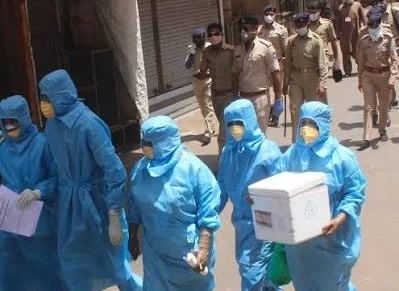
Seven new COVID-19 cases were reported in Andhra Pradesh on Tuesday. With this, the total number of active cases in the state has risen to 26. According to the Health Department, four of the new cases were reported in Guntur, two in East Godavari, and one in Bapatla districts. The department clarified that all the cases are from different areas and there is currently no cluster infection situation in any part of the state.
District-wise Infected People Status
According to data released by the Health Department, Kadapa has the highest number of infected people with eight. Guntur has six, East Godavari has three, Kakinada and Bapatla have two each, while Visakhapatnam, Eluru, Nellore, NTR, and Parvathipuram Manyam districts have reported one case each.
10 patients in hospital, 9 in home isolation
According to the department, 145 samples have been tested in the state so far. Of the 26 infected patients, 10 are undergoing treatment in the hospital, while 9 are receiving treatment in home isolation. Three patients have fully recovered and have been discharged. Four infected patients have died. The health department says that all of these deceased had pre-existing serious illnesses and already had complex health conditions.
What is COVID-19 and how did it originate?
COVID-19 is an infectious disease caused by the SARS-CoV-2 virus. It primarily affects the respiratory tract and spreads through microscopic droplets produced when an infected person coughs, sneezes, or speaks. The first case was reported in Wuhan, China, in December 2019. Following the rapid global spread of the infection, the World Health Organization (WHO) declared it a pandemic on March 11, 2020.
The first case of COVID-19 in India was reported in January 2020 in Thrissur district, Kerala, where a student returning from Wuhan tested positive. Subsequently, a nationwide lockdown was imposed in March 2020 to halt the chain of transmission.
Symptoms, Treatment, and the Role of Vaccination
The main symptoms of COVID-19 included fever, dry cough, fatigue, difficulty breathing, and loss of taste or smell. In the early stages of the pandemic, there was no specific treatment available. Patients were treated symptomatically, while severe cases required oxygen support, steroids, and ventilators.
The vaccination campaign played a crucial role in controlling the pandemic. The widespread use of various vaccines, including Covishield and Covaxin, and the development of immunity in the population led to a steady improvement in the situation in India. Consequently, in May 2023, the WHO removed COVID-19 from the category of a global health emergency. Currently, the infection is being treated as a seasonal viral disease in most cases.
WHO Advice
According to the World Health Organization, most people infected with COVID-19 recover fully with mild or moderate symptoms. However, the elderly and those with underlying medical conditions such as heart disease, diabetes, and cancer are considered to be at a higher risk of infection.