 India
 World
 Entertainment
 Sports
 Chhattisgarh
 Haryana
 Delhi
 Religious
 Business
 Tech & Auto
 Education
 Health
 Andhra Pradesh
 Telangana
 Sikkim
 Odisha
 Jharkhand
 Assam
 Nagaland
Magnitude 7 earthquake wreaks havoc in Tibet
16 killed, 32 injured; hundreds of houses collapse
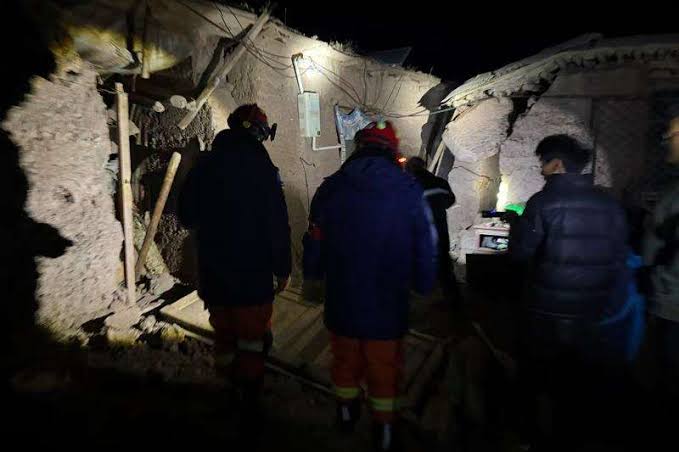
A powerful earthquake struck Tibet on Thursday night, causing widespread loss of life and property. The 7-magnitude tremor severely affected the town of Nagqu in northern Tibet. According to initial reports, at least 16 people were killed and 32 injured in the natural disaster. Eleven of the injured are in critical condition. The earthquake caused panic in the affected areas, with people fleeing their homes and hotels for safety. Buildings were damaged in several locations. Relief and rescue teams are searching for those trapped in the debris.
According to the National Center for Seismology (NCS), the earthquake was felt at around 8:03 pm Indian Standard Time. The epicenter was reported to be 173 kilometers below the ground in the town of Nagqu in northern Tibet, about 400 kilometers from Lhasa. During the earthquake, strong vibrations were felt in houses and vehicles parked on the streets. CCTV cameras installed inside shops showed goods falling from racks. According to local reports, hundreds of houses collapsed in Nagqu city. The sudden tremors caused panic among residents, and a large number of people fled for safety.
The incident has been described as the most powerful earthquake to hit the Tibet region in the past five years. The Nagqu media office quoted city government officials as saying that at least 339 houses collapsed due to the earthquake. Rescue operations are underway, fearing that people may be trapped under the rubble. Tents are being set up to provide temporary shelter to affected and homeless families. The administration faces the challenge of providing medical assistance to the injured, evacuating those affected, and assessing the damaged houses. During the relief operations, special attention is being paid to reaching and assessing the condition of those trapped under the rubble.
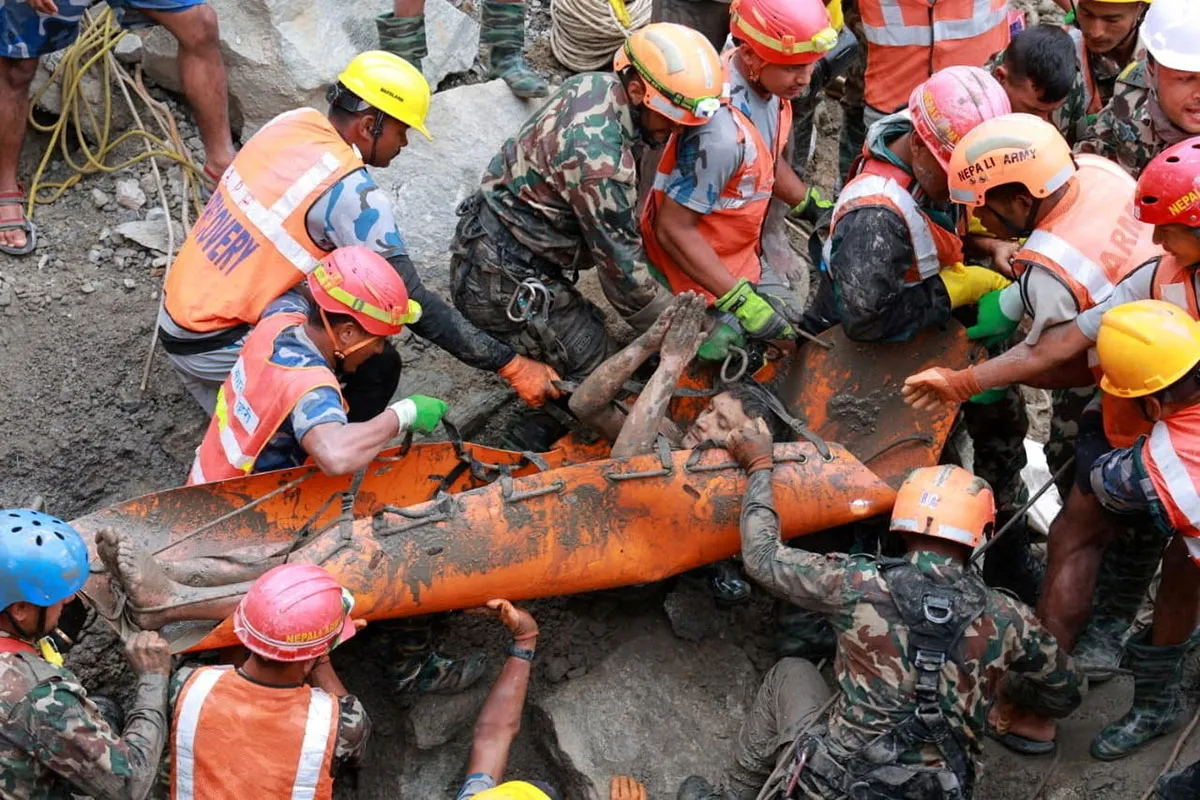
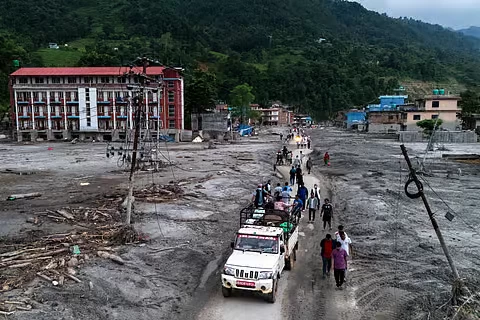
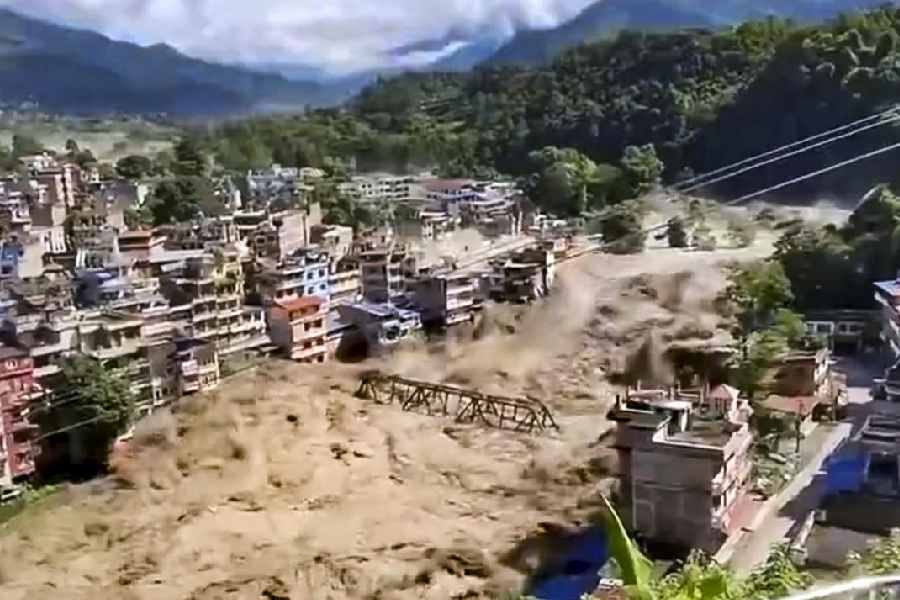
This earthquake in Tibet comes at a time when floods and landslides have also caused significant damage in recent weeks along the border between Nepal and China's Tibet Autonomous Region. These disasters have claimed over 1,400 lives and left thousands missing. The earthquake has once again exacerbated challenges to life and security in this mountainous region, frequently affected by natural disasters. Previously, on September 27, 2026, an avalanche struck near the base camp of the Himlung Himalaya near the Tibetan border in western Nepal, leaving 10 people missing.
Due to its geographical location, Tibet and the wider Himalayas are considered earthquake-prone. There is constant geological activity between the Indian and Eurasian tectonic plates. The collision of these plates created the Himalayan mountain range, but this process also creates stress within the earth's crust, leading to periodic earthquakes. However, the intensity and damage of a particular earthquake are also influenced by local geological conditions, the depth of the epicenter, and the location of the population. Following the earthquake in Tibet, relief and rescue operations are underway, and damage assessments are underway in the affected area.