
 India
India
 World
World
 Entertainment
 Sports
 Chhattisgarh
 Haryana
 Delhi
Delhi
 Religious
 Business
 Tech & Auto
 Education
 Health
 Andhra Pradesh
 Telangana
 Sikkim
 Odisha
 Jharkhand
 Assam
Assam
 Nagaland
Why is mourning observed during Muharram?
Understand the historical significance of Ashura, Karbala, and this traditionW
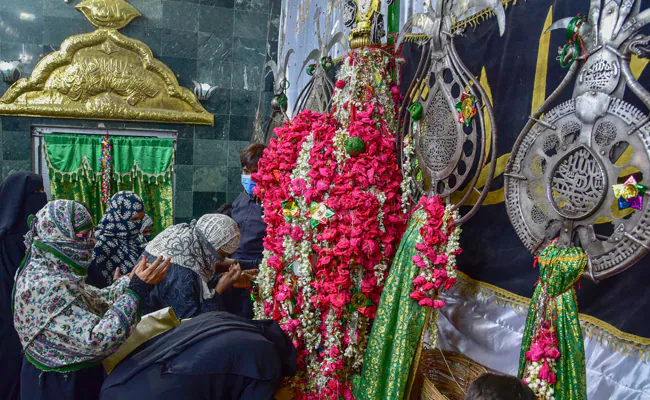
Muharram is considered the first month of the Islamic calendar (Hijri era), marking the beginning of the Islamic New Year. However, unlike other New Year celebrations, this occasion is not characterized by festivity or revelry. For a large section of the Muslim community, in particular, this month symbolizes renunciation, sacrifice, self-restraint, and mourning.
In 2026, the main day of Muharram falls on Friday, June 26. Instead of celebrations or exchanging greetings, this occasion is marked by mourning and paying tribute to the martyrs of Karbala. This observance is rooted in a historical event from approximately 1,400 years ago—an event that profoundly influenced Islamic history and ideology.
## Religious significance of Muharram in Islam
Muharram is one of the four sacred months in Islam, as cited in religious traditions. The month conveys a message of introspection, worship, and commitment to moral values. The tenth day of Muharram, known as 'Ashura,' is considered particularly significant from both historical and religious perspectives.
For the Shia community, this day commemorates the martyrdom of Imam Hussain and his companions, while the Sunni community also regards Ashura with religious importance, often observing a fast to mark the occasion.
## The Event of Karbala: A struggle for principles and justice
The mourning observed during Muharram is linked to a historical event that took place in Karbala, Iraq, in 680 CE (61 Hijri). The core of this conflict was not the pursuit of power, but the defense of moral values, justice, and religious principles.
According to Islamic traditions, the ruler of that time, Yazid, declared himself Caliph and demanded allegiance and support for his rule from Imam Hussain, the grandson of the Prophet Muhammad. Imam Hussain refused to yield and resolved to stand firm against injustice and tyranny. ## The Day of Ashura and the Saga of Martyrdom
According to historical accounts, Imam Hussain arrived at Karbala with his family and companions, where they were surrounded by Yazid's army. It is said that the water supply to their camp was cut off starting from the seventh day of Muharram.
On the 10th of Muharram—the Day of Ashura—Imam Hussain and his small band of companions faced a massive army. In this conflict, his family members and supporters were martyred one by one. Ultimately, Imam Hussain also sacrificed his life to uphold his principles and the cause of justice. In Islamic history, this event is regarded as a symbol of the struggle for truth and morality against injustice.
Why are Mourning Rituals and Tazia Processions Observed?
During Muharram, the Shia community, in particular, observes mourning in memory of Imam Hussain and the martyrs of Karbala. *Majlis* gatherings are organized where the events of Karbala are recounted, inspiring people to embrace the path of sacrifice and truth.
In many places, *Tazia* processions are taken out as a mark of remembrance and respect for Imam Hussain. This tradition is rooted in grief, reverence, and historical remembrance, rather than celebration.
Muharram Conveys a Message of Sacrifice and Humanity
Muharram is not merely a religious occasion; it conveys a message of raising one's voice against injustice, struggling for the truth, and upholding human values. The event of Karbala is still remembered worldwide as a symbol of courage, sacrifice, and moral commitment.
For this reason, the Islamic New Year begins not with celebration, but with introspection, mourning, and paying tribute to the martyrs of Karbala.