 India
India
 World
World
 Entertainment
 Sports
 Chhattisgarh
 Haryana
 Delhi
Delhi
 Religious
 Business
 Tech & Auto
 Education
 Health
 Andhra Pradesh
 Telangana
 Sikkim
 Odisha
 Jharkhand
 Assam
Assam
 Nagaland
Protests intensify over MDR on UPI payments above ₹2,000
Government says decision will not be reversed
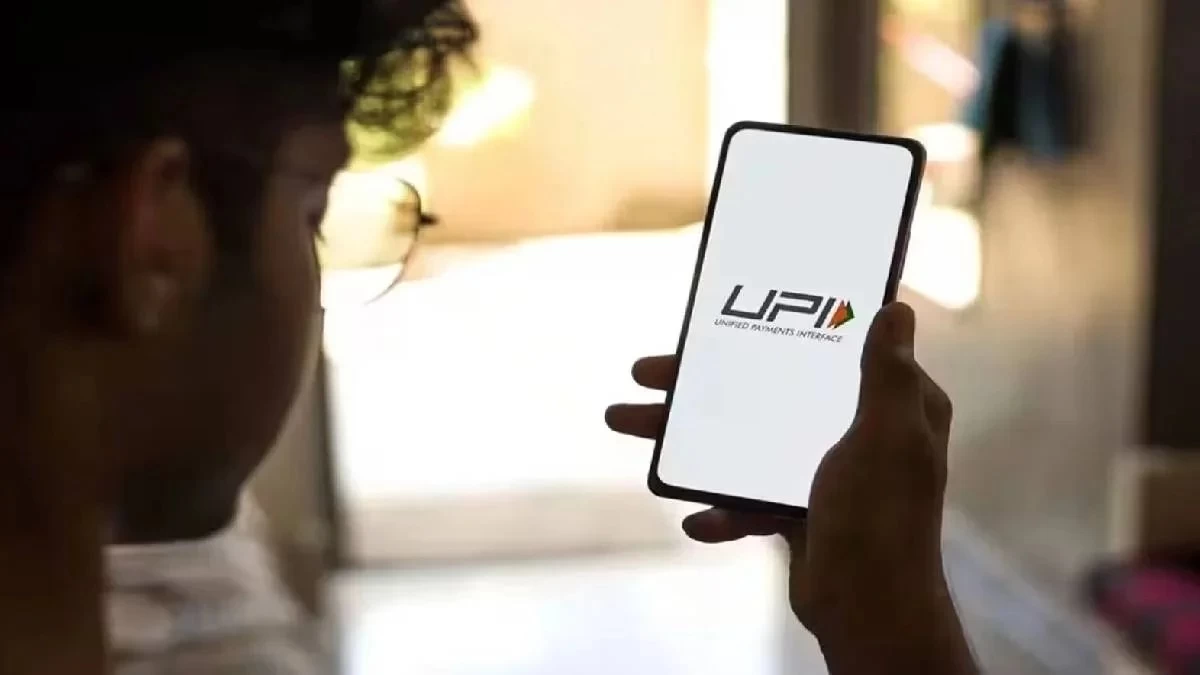
New Delhi. The decision to impose a 0.4% Merchant Discount Rate (MDR) on select UPI merchant transactions above ₹2,000 has sparked outrage among business organizations. The new provisions of the National Payments Corporation of India (NPCI) will come into effect from October 15, 2026. However, MDR will not be levied on person-to-person (P2P) transactions between ordinary customers. The maximum MDR limit for eligible merchant transactions above ₹75,000 has been set at ₹300.
According to government sources, the central government is not in favor of reversing this decision. The government argues that a zero MDR regime is unsustainable in the long term for expenses related to digital payment infrastructure, cybersecurity, and service expansion. The Parliamentary Committee on Finance report also noted the pressure on the government treasury from the zero MDR system.
The issue of 18% GST on MDR
The issue of 18% GST on MDR imposed on merchants along with the new levy has also come to light. However, eligible merchants can avail input tax credit of this GST, which may reduce the actual tax burden. Under the new rules, there is no provision for collecting MDR directly from consumers.
Only ₹5 Fee for Certain Services
A flat fee of ₹5 has been imposed on UPI payments above ₹2,000 for railways, fuel, insurance, telecom, and certain other specified categories, instead of a percentage-based MDR. Payments related to education fees and certain utility services have also been placed under a separate fee regime under specified categories.
The matter has reached the Supreme Court
The decision to impose MDR on UPI transactions has also been challenged in the Supreme Court. The PIL filed questions the legality of the new system and its potential economic impact. The petition calls it arbitrary and discriminatory and seeks a stay on the system. The Supreme Court has not yet scheduled a hearing date for the petition.
Petrol Pump Dealers Express Objections
The All India Petroleum Dealers Association has also filed its objection with the Finance Ministry. The organization has demanded that petrol pumps be excluded from the new MDR system. However, a flat fee of ₹5 is proposed for petrol and other designated categories in the current framework.
Ashok Lahiri Calls Fee Necessary
NITI Aayog Vice Chairman Ashok Kumar Lahiri stressed the need for a sustainable revenue model for UPI. Citing the example of Chanakya, he compared tax collection to a bee slowly collecting honey from a flower. He said that sustainable management of operating costs is essential for the long-term sustainability of a digital payment system.
The Finance Ministry has denied allegations of foreign pressure.
The Finance Ministry has rejected allegations of foreign pressure regarding the decision to implement MDR on UPI. The Ministry states that India's policy decisions are made independently and that the suggestion of any foreign influence behind the new MDR system is not true. The government has also clarified that the purpose of the new fee is to make UPI's digital payments infrastructure sustainable.