 India
India
 World
World
 Entertainment
 Sports
 Chhattisgarh
 Haryana
 Delhi
Delhi
 Religious
 Business
 Tech & Auto
 Education
 Health
 Andhra Pradesh
 Telangana
 Sikkim
 Odisha
 Jharkhand
 Assam
Assam
 Nagaland
Newly arrived BMO Dr. Ritu Dhurve inspected to provide better health facilities to the villagers
Took stock of the arrangements of health centers, instructed the employees to be vigilant and disciplined
CURATED BY – LAKESH PANCHESHWAR | CITYCHIEFNEWS
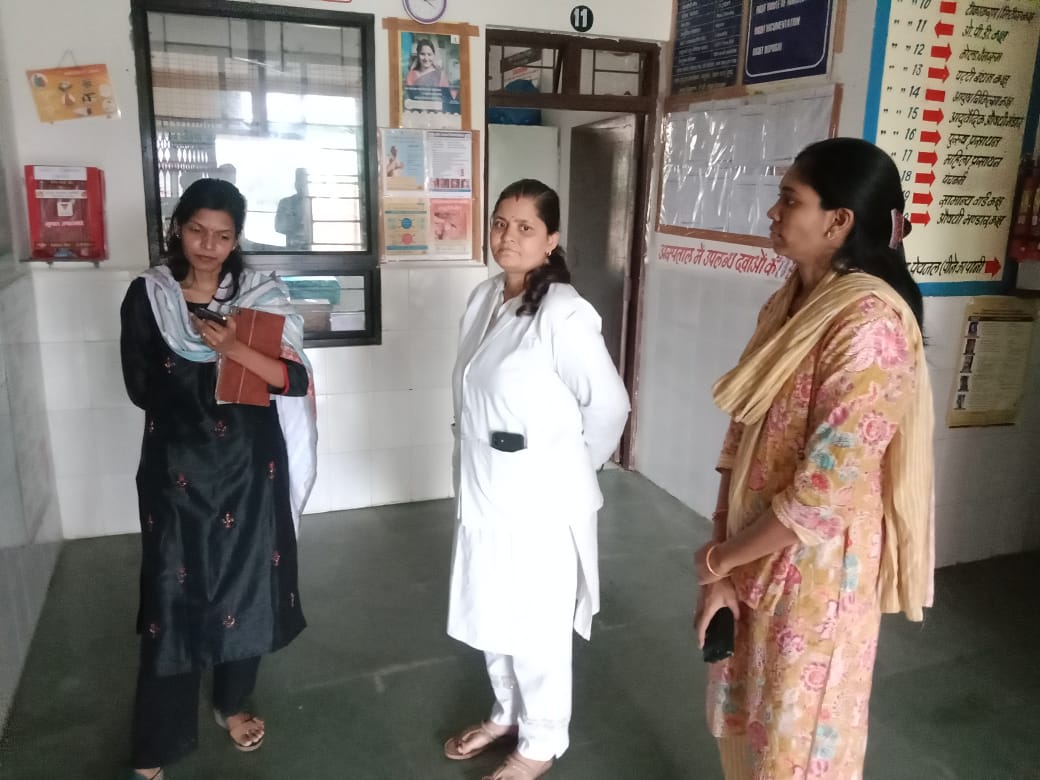
Lalbarra, newly arrived Block Medical Officer (BMO) Dr. Ritu Dhurve, committed to developed health systems, conducted a surprise inspection of the Government Community Health Center Lalbarra on Monday, July 7. The main objective of the inspection was to evaluate the arrangements towards providing smooth, accessible and better health services to the rural areas and to make the staff more active and sensitive at the ground level.
During the inspection, Dr. Ritu Dhurve examined the work style, punctuality and cleanliness of the hospital premises of the employees present at the health center. She instructed the medical and support staff present to provide quick health services to the villagers in this sensitive rainy season and perform their duty with full devotion by opening the hospital on time.
Also visited health centers of Khari and Mohgaon (Dh)
Keeping in mind the possibility of heavy rains, Dr. Dhurve also inspected the Sub-Health Center Khari and Primary Health Center Mohgaon (Dh). He took a direct look at the challenges arising in running health services amidst many types of infectious diseases, waterlogging and access problems due to continuous rain in these areas.
During the inspection, he gave strict instructions to the medical personnel present in both the sub-centers and said that "the outbreak of diseases like dengue, malaria, typhoid, cholera can increase in the rainy season, in such a situation the health department should work with full readiness."
Special emphasis on vigilance, punctuality and service spirit
Dr. Dhurve said that health services in villages are the lifeline of the common people. If the hospitals do not open on time or the doctors / employees are not present, then the problems of the villagers increase. Due to this, it is mandatory for all health workers to be present at work in a timely manner. She said that it will be possible to maintain trust in rural areas only when health services are provided responsibly.
Along with this, she also suggested that the hospital premises should be kept clean and infection-free so that there is no hindrance in the health benefits of the patients. Especially in the season of waterlogging and mud, it is mandatory to spray anti-larvae in the premises, use insecticides, and take special care of cleanliness in the patient wards.
Instructions to be cautious regarding the possibility of diseases in the rainy season
Dr. Ritu Dhurve also told the employees that in this season, the risk of viral fever, stomach related diseases, skin diseases, snakebite, infections spread by waterlogging, and mosquito-borne diseases is the highest. Therefore, every employee should remain active in his area and run public awareness campaigns.
She also gave instructions to keep the health centers equipped with sufficient quantity of essential medicines, ORS solution, anti-fever tablets, anti-venom for snakebite, and first aid material. Also, it was said that if water accumulates at any place, then coordination should be done with the local panchayat for cleaning the drains there.
Instructions to keep a special eye on flood-prone areas
There are many such areas in Lalbarra development block where due to excessive rainfall, the situation of overflowing of drains or breaking of connecting roads arises. Instructions were given to identify such flood-prone areas and keep special health teams active there, ensure availability of first aid kits, and maintain accessibility of ambulances.
Dr. Dhurve made it clear that “human service is the biggest religion and every employee of the health department is the sentinel of this service. If any villager faces problems due to lack of treatment, then it will be considered a departmental failure. Therefore, it is necessary to be prepared for every situation.”
Request for cooperation from public representatives and panchayats
He also said that health services will become fully effective only when the administration, health department and public representatives make a joint effort. The role of gram panchayats is important in health awareness camps, cleanliness campaigns, vaccination drives etc. in villages. All the staff have been instructed to maintain regular contact with the villages and explain to the villagers the measures to prevent seasonal diseases from time to time.