 India
India
 World
World
 Entertainment
 Sports
 Chhattisgarh
 Haryana
 Delhi
Delhi
 Religious
 Business
 Tech & Auto
 Education
 Health
 Andhra Pradesh
 Telangana
 Sikkim
 Odisha
 Jharkhand
 Assam
Assam
 Nagaland
Lord Jagannath's world-famous Rath Yatra begins today in Ravi Yoga
Learn about its significance and the full program
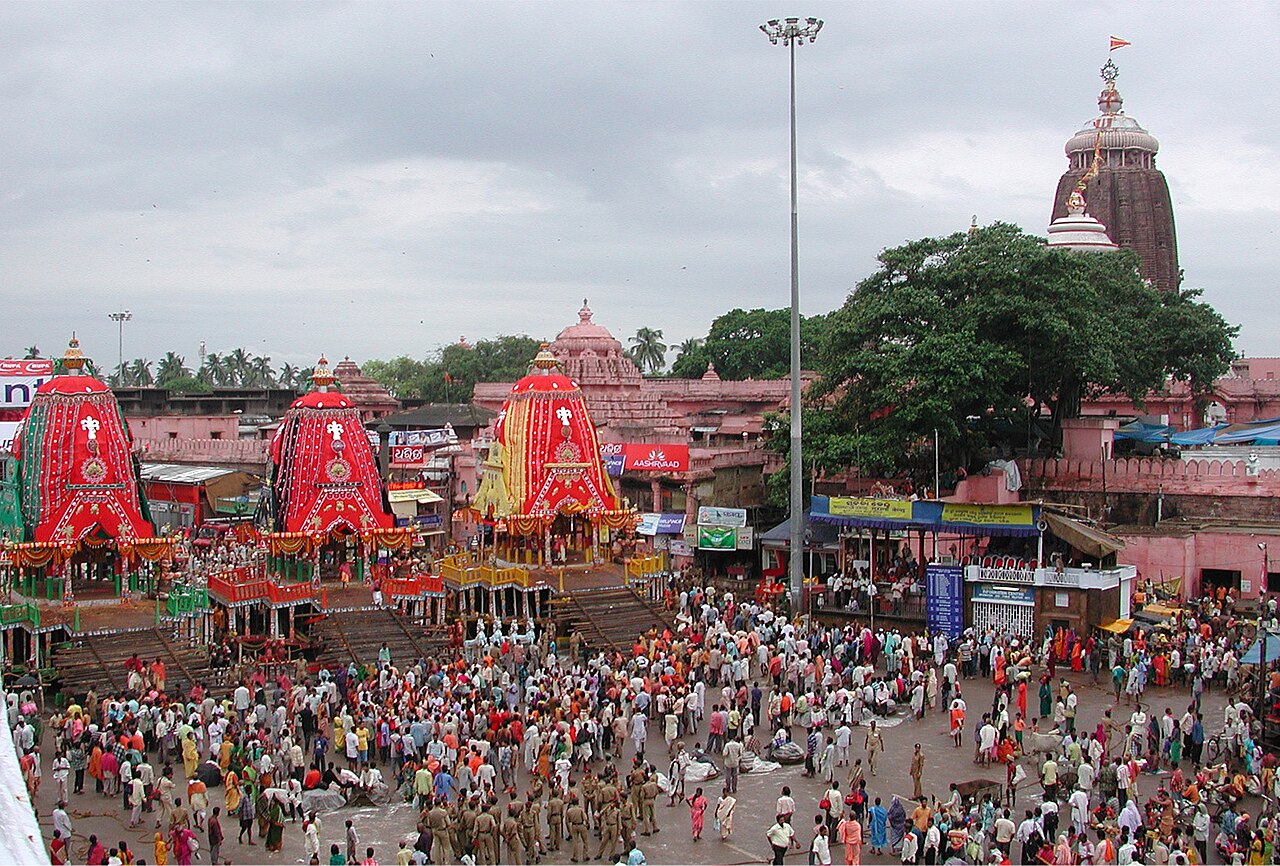
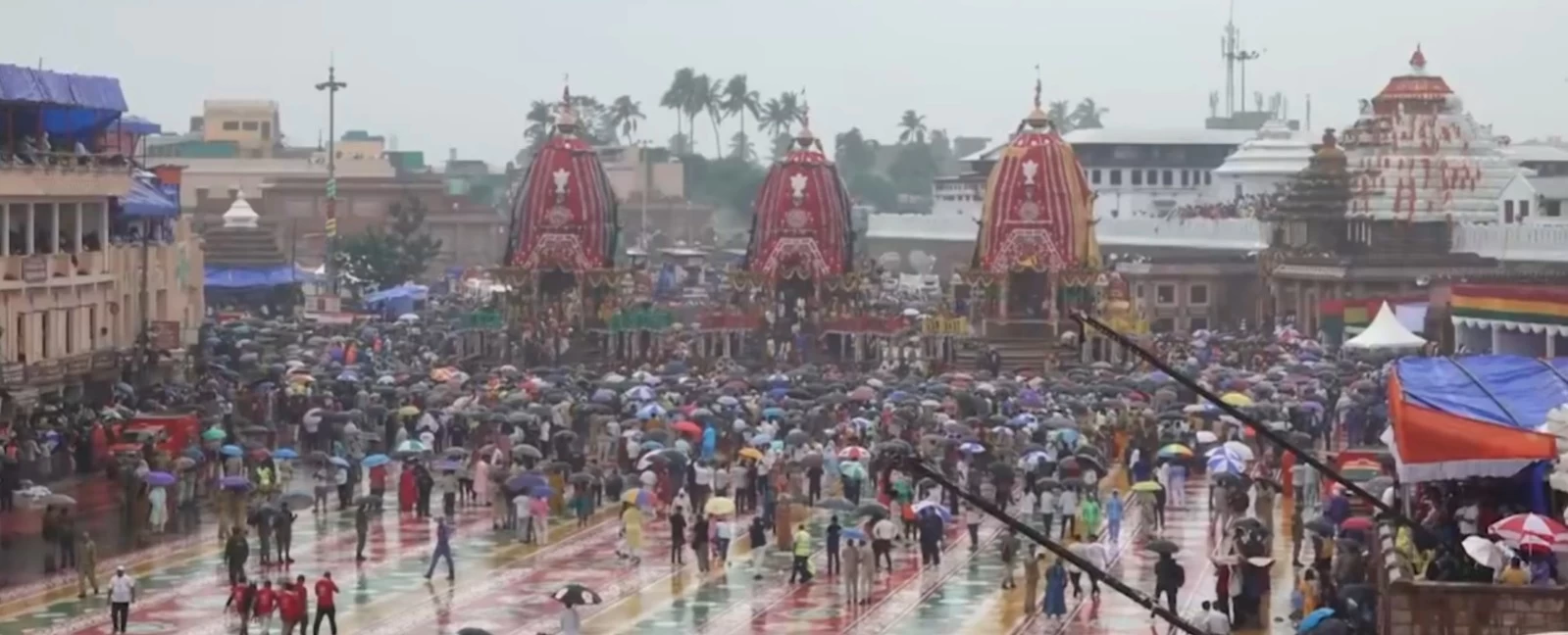
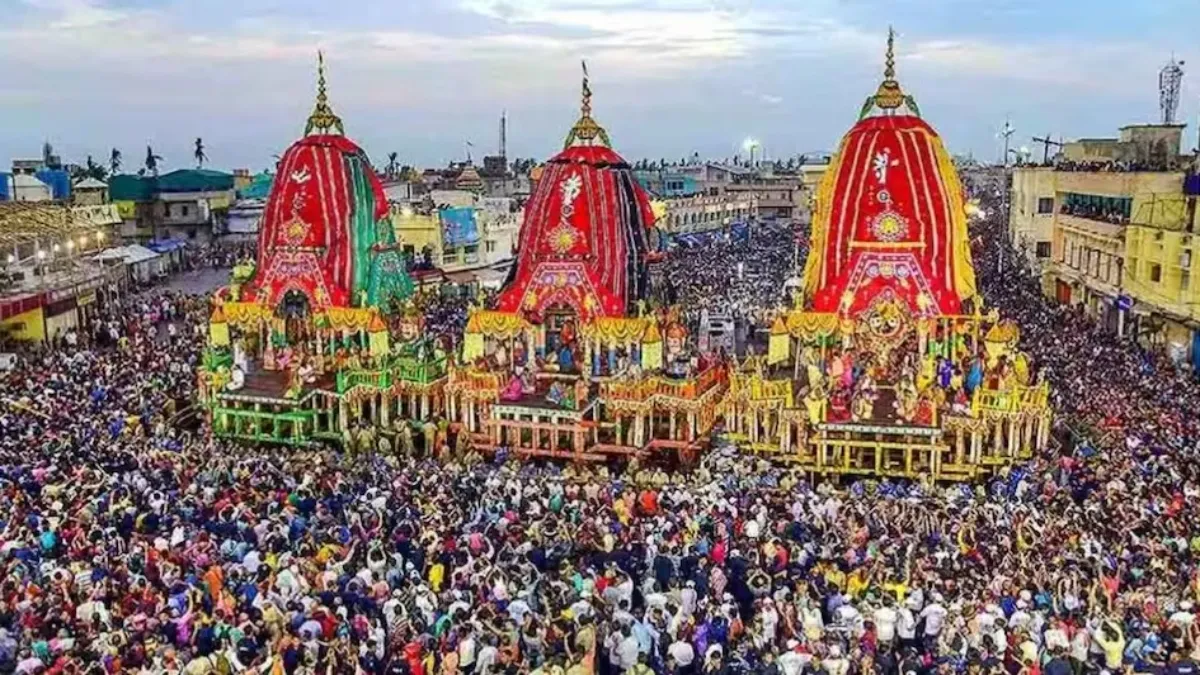
Puri. Lord Jagannath's world-famous Rath Yatra commenced today, July 16, under the auspicious influence of Ravi Yoga. This sacred festival will continue until July 24. In Sanatan Dharma, this Rath Yatra, held in Puri, Odisha, holds special religious and spiritual significance. According to the Hindu calendar, every year on the second day of the Shukla Paksha (waxing moon) of Ashadha month, Lord Jagannath, along with his elder brother Balabhadra and sister Subhadra, depart from the Srimandir for the Gundicha Temple, seated on grand chariots.
It is believed that through this journey, the Lord himself visits his devotees and grants them darshan. According to religious scholars, this tradition is considered a symbol of the Lord's compassion and equanimity.
Key Events of Jagannath Rath Yatra 2026
July 16, 2026: The grand Rath Yatra of Lord Jagannath, Balabhadra, and Subhadra commences and departs for the Gundicha Temple.
July 24, 2026: Bahuda Yatra, in which the Lord returns to the Srimandir.
July 25, 2026: Suna Vesh, on this day the three deities are adorned with elaborate gold ornaments.
Why is the Jagannath Rath Yatra special?
The Jagannath Rath Yatra is distinguished from other religious events because devotees do not visit the sanctum sanctorum of the temple to have darshan of the Lord, but rather the Lord himself rides on a chariot and comes among the devotees. It is believed that even those devotees who are unable to enter the temple for some reason are blessed by the Lord.
The Lord resides in the Gundicha Temple for nine days. It is stated in the scriptures that having darshan of the Lord during this period is equivalent to performing a hundred yagnas.
Magnificent chariots are constructed without iron nails.
The chariots of Lord Jagannath, Balabhadra, and Subhadra are a wonderful example of traditional Indian craftsmanship and architecture.
Over 4,000 pieces of wood are used in the construction of these massive chariots.
Specially, not a single iron nail or metal is used in the entire chariot's construction.
Families of traditional artisans have been building these chariots for generations without any modern designs.
The "Chhera Pahara" tradition conveys the message of equality
One of the most important rituals of the Rath Yatra is the Chhera Pahara. In this tradition, the Gajapati Maharaja of Puri himself sweeps the path ahead of the three chariots with a golden broom and sprinkles fragrant water. This tradition symbolizes that everyone is equal before God, whether king or common man.
Religious Significance of Chariot Pulling
Devotees from all classes, castes, and communities pull the Lord's chariot during the Rath Yatra without any discrimination.
According to religious beliefs, pulling the Lord's chariot with devotion and sacred feelings is considered highly virtuous. It is believed that if a devotee pulls the chariot even a few steps with a true heart, they attain spiritual merit. According to tradition, devotees should touch the chariot's ropes with a pure heart and in traditional attire.
Puri Dham is filled with faith
During the Rath Yatra, a sea of devotees throngs the nearly three-kilometer-long "Bada Dand" route from the Srimandir to the Gundicha Temple. The sound of conch shells, the resounding sound of drums and cymbals, and the chanting of "Jai Jagannath" immerse the entire Puri in a devotional atmosphere. Every year, millions of devotees from India and abroad arrive to witness this divine event.