
 India
India
 World
World
 Entertainment
 Sports
 Chhattisgarh
 Haryana
 Delhi
Delhi
 Religious
 Business
 Tech & Auto
 Education
 Health
 Andhra Pradesh
 Telangana
 Sikkim
 Odisha
 Jharkhand
 Assam
Assam
 Nagaland
Jharkhand Student Protest: The movement began with alleged irregularities in recruitment exams
Echoes Reach Delhi, Increasing Pressure on the Government
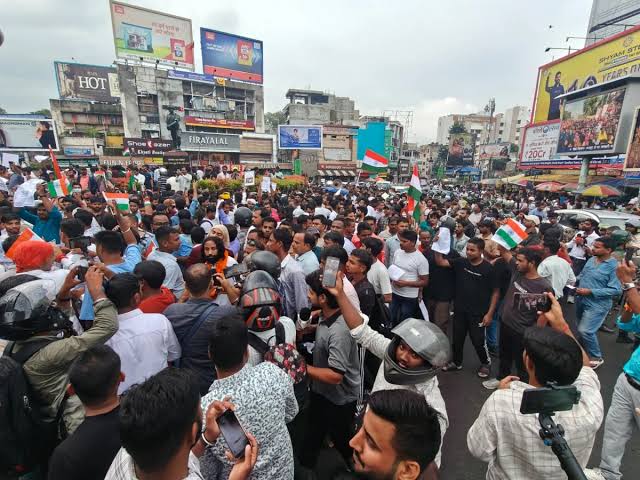
Ranchi, The Jharkhand student movement, which began in Ranchi, has now become the state's biggest political and administrative challenge. This movement is primarily focused on alleged irregularities and paper leaks in the Jharkhand Public Service Commission (JPSC) and Jharkhand Staff Selection Commission (JSSC) recruitment exams. Thousands of candidates have been protesting in and around Ranchi's Jaipal Singh Munda Stadium for the past several days. The movement has now reached Delhi, and political rhetoric has intensified between the opposition, the central, and the state governments. The protesting students say that despite years of preparation, they are not receiving a fair examination and a transparent recruitment process. They allege that serious irregularities have occurred in the JPSC and Jharkhand Public Service Commission (JSSC) examinations, affecting the future of qualified candidates. The students say that this fight is not just about one exam, but for reform of the entire recruitment system. The students have placed several demands before the government, primarily demanding an independent investigation into the cancellation of the Jharkhand Public Service Commission exam. The demands include making the mark recognition sheets and answer sheets public, taking strict action against the culprits, and ensuring complete transparency in future recruitment processes. Initially, the students were demanding a CBI or Crime Investigation Department (CID) investigation, but later they also proposed an investigation by an independent committee of retired High Court judges from outside Jharkhand. This Jharkhand movement has intensified at a time when the issue of recruitment exams and paper leaks is already a topic of political debate across the country. Student organizations have called it a national issue and sought support from youth in other states. The Congress is also raising the issue of paper leaks at the national level, making the Jharkhand movement a topic of discussion in Delhi politics as well. The Congress, which is an ally of the JMM-led government in Jharkhand, has publicly stated that the genuine concerns of the students must be addressed. Senior party leaders have met Chief Minister Hemant Soren and urged him to seriously consider the demands of the protesters. However, due to its participation in the government, the Congress is trying to adopt a balanced approach. Chief Minister Hemant Soren has stated that his government is sensitive to the sentiments of the students and will not address the matter. He stated that the government's doors are open to all and efforts will be made to find a solution through dialogue with student representatives. Ahead of the growing protests and the Assembly session, Chief Minister Hemant Soren met with the Governor to discuss law and order and the agitation situation. Following the meeting, he stated that the government will take necessary action soon and the entire matter is being reviewed. The state government has handed over the investigation to the Jharkhand Crime Investigation Department (CID). Investigating agencies have conducted raids at several locations and seized laptops, mobile phones, bank documents, and Optical Mark Recognition (OMR) records. Several people have been arrested. The district administration has invited the agitating students for talks, and the Chief Minister has offered a five-member delegation to negotiate. The agitating students have made it clear that they want written and concrete decisions, not just assurances. If their demands are not met, they have threatened to surround the Assembly and expand the agitation. Meanwhile, the government is attempting to find a solution through dialogue and investigation. In the coming days, this agitation could prove to be a major test for both Jharkhand's politics and administration.Ranchi, The Jharkhand student movement, which began in Ranchi, has now become the state's biggest political and administrative challenge. This movement is primarily focused on alleged irregularities and paper leaks in the Jharkhand Public Service Commission (JPSC) and Jharkhand Staff Selection Commission (JSSC) recruitment exams. Thousands of candidates have been protesting in and around Ranchi's Jaipal Singh Munda Stadium for the past several days. The movement has now reached Delhi, and political rhetoric has intensified between the opposition, the central, and the state governments. The protesting students say that despite years of preparation, they are not receiving a fair examination and a transparent recruitment process. They allege that serious irregularities have occurred in the JPSC and Jharkhand Public Service Commission (JSSC) examinations, affecting the future of qualified candidates. The students say that this fight is not just about one exam, but for reform of the entire recruitment system. The students have placed several demands before the government, primarily demanding an independent investigation into the cancellation of the Jharkhand Public Service Commission exam. The demands include making the mark recognition sheets and answer sheets public, taking strict action against the culprits, and ensuring complete transparency in future recruitment processes. Initially, the students were demanding a CBI or Crime Investigation Department (CID) investigation, but later they also proposed an investigation by an independent committee of retired High Court judges from outside Jharkhand. This Jharkhand movement has intensified at a time when the issue of recruitment exams and paper leaks is already a topic of political debate across the country. Student organizations have called it a national issue and sought support from youth in other states. The Congress is also raising the issue of paper leaks at the national level, making the Jharkhand movement a topic of discussion in Delhi politics as well. The Congress, which is an ally of the JMM-led government in Jharkhand, has publicly stated that the genuine concerns of the students must be addressed. Senior party leaders have met Chief Minister Hemant Soren and urged him to seriously consider the demands of the protesters. However, due to its participation in the government, the Congress is trying to adopt a balanced approach. Chief Minister Hemant Soren has stated that his government is sensitive to the sentiments of the students and will not address the matter. He stated that the government's doors are open to all and efforts will be made to find a solution through dialogue with student representatives. Ahead of the growing protests and the Assembly session, Chief Minister Hemant Soren met with the Governor to discuss law and order and the agitation situation. Following the meeting, he stated that the government will take necessary action soon and the entire matter is being reviewed. The state government has handed over the investigation to the Jharkhand Crime Investigation Department (CID). Investigating agencies have conducted raids at several locations and seized laptops, mobile phones, bank documents, and Optical Mark Recognition (OMR) records. Several people have been arrested. The district administration has invited the agitating students for talks, and the Chief Minister has offered a five-member delegation to negotiate. The agitating students have made it clear that they want written and concrete decisions, not just assurances. If their demands are not met, they have threatened to surround the Assembly and expand the agitation. Meanwhile, the government is attempting to find a solution through dialogue and investigation. In the coming days, this agitation could prove to be a major test for both Jharkhand's politics and administration.