
 India
India
 World
World
 Entertainment
 Sports
 Chhattisgarh
 Haryana
 Delhi
Delhi
 Religious
 Business
 Tech & Auto
 Education
 Health
 Andhra Pradesh
 Telangana
 Sikkim
 Odisha
 Jharkhand
 Assam
Assam
 Nagaland
Freedom of Religion Act to come into effect in Maharashtra on August 28
Forced religious conversions carry a penalty of up to 7 years
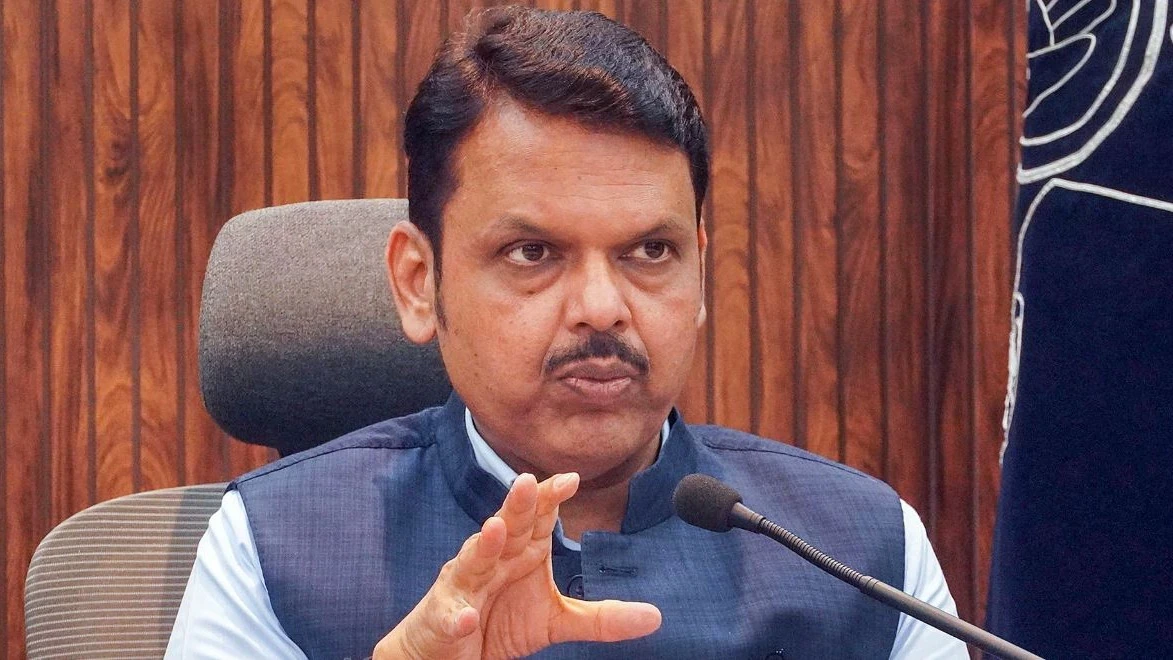
The Devendra Fadnavis government in Maharashtra has set a date for the implementation of the Maharashtra Freedom of Religion Act, 2026. According to a notification issued by the Home Department on August 17, the new law will come into effect on August 28, 2026. The government set the effective date using the powers granted under Section 1(2) of the Act. The primary objective of the law is to curb religious conversions carried out through force, coercion, fraud, inducement, or other illegal means.
The new law provides for strict action against anyone who forcibly or fraudulently induces someone to convert to another religion. Those found guilty in such cases face a maximum sentence of seven years, and the offense has been made non-bailable. A person voluntarily converting must submit an application to the designated authority at least 60 days in advance. The application will then be processed according to the established legal process.
Strict provisions also apply to marriages involving religious conversion
The law also includes provisions for marriages where the marriage is allegedly entered into through deception or fraud, or for the purpose of religious conversion. In such cases, special rules will apply regarding the validity of the marriage and its legal implications. According to the provision, if the sole purpose of the marriage is proven to be religious conversion, the mother's original religion before marriage will be considered when determining the religious identity of a child born from such a marriage.
Support for the Law for Women's Safety
Shiv Sena leader Sanjay Nirupam supported the government's move. He stated that the law aims to prevent religious conversions carried out through force, pressure, and inducement. According to Nirupam, there have been numerous cases of women being lured into converting under the pretext of marriage and subsequently abandoned. He stated that the new law is an important step towards protecting women's rights in such circumstances, as well as providing legal protection to their original religion and the religious identity of children born from the marriage.