
 India
India
 World
World
 Entertainment
 Sports
 Chhattisgarh
 Haryana
 Delhi
Delhi
 Religious
 Business
 Tech & Auto
 Education
 Health
 Andhra Pradesh
 Telangana
 Sikkim
 Odisha
 Jharkhand
 Assam
Assam
 Nagaland
Battle in the Supreme Court over Lay's Chips Potato
PepsiCo's Rights vs. Farmers' Freedoms to Be Heard
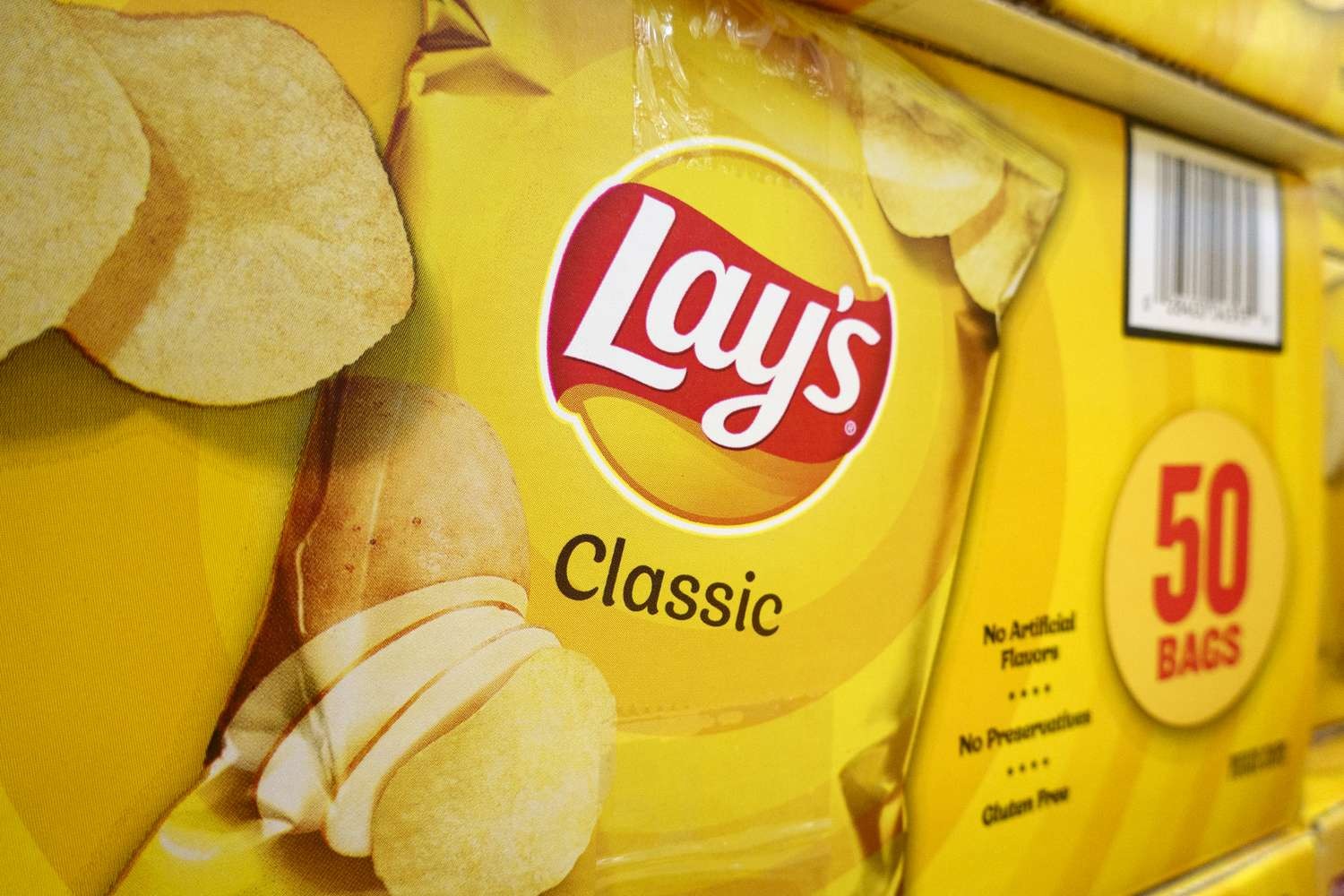
New Delhi. The ongoing dispute between multinational company PepsiCo and Indian farmers over the FL 2027 (FC5), a special potato variety used in the production of Lay's chips, has now reached the Supreme Court. Farmer organizations and social activists have challenged the Delhi High Court's decision that reinstated PepsiCo's plant variety protection rights (breeder rights).
This issue is no longer limited to a single potato variety, but has become a major debate in the agricultural sector regarding the balance between companies' intellectual property rights and farmers' traditional rights.
What is the speciality of the FL 2027 potato?
FL 2027, also known as FC5, is not a typical potato; it has been specifically developed for the processing industry. It is primarily used in the production of chips and wafers.
This potato has lower moisture and sugar content than conventional varieties, making it better suited for chip production. However, it is not commonly used as a common household vegetable or for food.
What is PepsiCo's claim?
PepsiCo states that it developed this potato variety and has exclusive rights to it under the Protection of Plant Varieties and Farmers' Rights Act, 2001 (PPVFR Act).
According to the company, based on the registration received in 2016, no one can commercially cultivate or sell this potato variety without permission.
What is the farmers' argument?
Farmer organizations and petitioners argue that the law gives farmers the right to grow, save, share, and sell protected varieties.
Senior advocate Colin Gonsalves, representing the farmers, argued that Section 39(1)(iv) of the PPVFR Act protects farmers' rights and cannot prevent them from cultivating protected varieties.
The issue of food sovereignty also arose.
The petitioners argued in the Supreme Court that a private company's complete control over a food crop variety could be a concern for the country's agricultural system and farmers' livelihoods.
They argue that as long as farmers are not commercially misusing seeds by selling them under a branded name, they should have the right to cultivate and preserve seeds.
PepsiCo explains the reason for its action.
PepsiCo, meanwhile, maintains that its intention is not to restrict small farmers. The company claims that it took legal action only in cases where large-scale commercial production was being carried out for competing chip companies.
The company argues that protection of its intellectual property and research-based varieties is essential to encourage innovation.
The Supreme Court's decision will determine the future course of action.
The Supreme Court hearing will now determine the answers to many questions related to the agricultural sector, seed rights, and corporate control.
According to experts, the decision in this case could play a crucial role in determining the future balance between the breeder rights of companies and the traditional rights of farmers in India.